
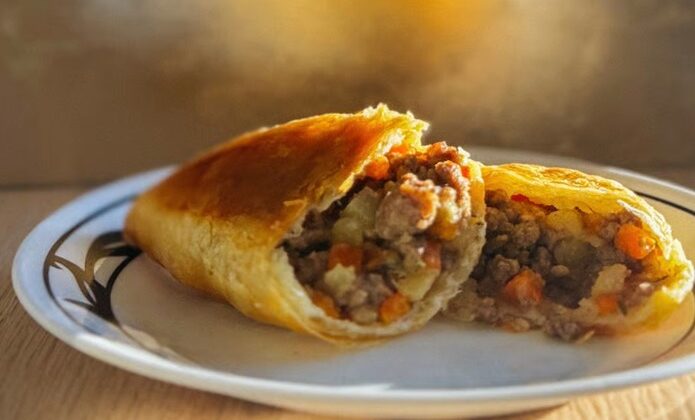
About Pastry
Pastry is one of the most delicate and versatile elements in the culinary world, forming the foundation of countless beloved desserts and savory dishes. At its core, pastry is a dough made primarily from flour and fat, sometimes combined with water, sugar, eggs, or milk. What makes pastry unique is the way the fat interacts with the flour, creating textures that range from crisp and crumbly to light and flaky. The balance of ingredients and technique determines whether the final product will melt in your mouth or provide a sturdy base for rich fillings. Across cultures and centuries, pastry has evolved into an art form that blends precision with creativity.
There are several main types of pastry, each with distinct characteristics. Shortcrust pastry, often used for pies and tarts, is known for its tender and crumbly texture. Puff pastry, by contrast, is made through a labor-intensive process of folding butter into dough multiple times to create hundreds of thin layers that rise dramatically when baked. Choux pastry, used for éclairs and cream puffs, relies on steam to expand and create a hollow interior perfect for fillings. Filo pastry, paper-thin and layered with butter or oil, is essential in dishes like baklava. Each type demands different techniques, temperatures, and handling methods, highlighting the technical skill required in pastry making.
The science behind pastry is just as important as the artistry. Gluten development must be carefully controlled; too much mixing can make pastry tough, while too little structure can cause it to crumble apart. Temperature plays a critical role, especially when working with butter. Cold butter creates steam pockets in the oven, resulting in flakiness, while warm butter can blend too thoroughly with flour and lose that layered effect. Precision in measurement, timing, and handling is essential, which is why pastry chefs are often regarded as some of the most meticulous professionals in the kitchen.
Beyond technique, pastry carries cultural significance and emotional value. From celebratory cakes at weddings and birthdays to comforting fruit pies baked at home, pastries often mark important moments in life. French pâtisseries display elaborate creations that resemble edible architecture, while traditional family recipes are passed down through generations. Whether enjoyed as a simple croissant with morning coffee or as a sophisticated plated dessert in a fine dining restaurant, pastry continues to bring joy, comfort, and artistry to tables around the world.